

As reviewers who monitor player patterns, we’ve spotted something interesting. Beyond the fishing theme and bonus rounds of Big Bass Splash, a whole range of player beliefs has emerged. In the UK, a complex web of superstitions and rituals now influences how people gamble. These concepts don’t impact the game’s core fairness, which is controlled by a Random Number Generator (RNG). But they tell us a lot about how people search for patterns and seek to be in command of a game of chance. We’re planning to examine at where these ideas stem from, why they stick, and how they mesh with playing responsibly. We’ve followed forums, streamer chats, and player tales. A clear group of beliefs persists turning up, altering how the game seems socially.
Community-Luck and Shared Session Stories
The UK online community buys into “shared luck” stories. When someone posts a screenshot of a huge Big Bass Splash win, others often jump in. They feel the “luck is in the air” or the game is “paying out.” On the other hand, a wave of reports about dry spells can put everyone off. This herd effect demonstrates how gaming superstitions can spread like a social virus. Streaming platforms make this stronger. A popular streamer’s big win can cause a measurable spike in players. It proves how a single story can overpower statistical understanding for many people. The community acts like one superstitious creature reacting to signals.
This delves into “hot casino” myths. Players believe one specific online casino’s version of Big Bass Splash is yielding more than others. This happens even though all licensed versions use the same RNG. Forum threads querying “which site is hot?” thrive on this idea. Also, players will exchange “session codes” or outline their exact betting pattern before a big win. Others copy it, hoping to duplicate the success. This mimics strategy sharing in skill games, but here it’s directed at pure chance. It generates a powerful loop. The communal belief proves itself through concentrated, simultaneous play. Every player’s outcome is still independent and random.
Practices Prior to the First Spin Setting Up the Reels
Rituals to get ready are all around. We’ve met players who must do a specific number of “practice spins” on the smallest bet. They think this “warms up” the game or pays it tribute. Others intentionally avoid the “Quick Spin” feature for their initial few spins. They see the full animation as a necessary ceremony. These acts work as a mental cushion between the player and the game’s fluctuations. They create a personal ritual that marks the shift from normal life to game time. It’s a self-made structure that offers ease before facing pure randomness. The ritual side is strong. It’s like athletes with their pre-game habits to get in the zone. It’s mental groundwork for the fun ahead.
We’ve made a collection of these pre-spin practices. Some players always click the scatter symbol on the loading screen for fortune. Others make sure their first spin is done by clicking the button, not using autoplay. A common pattern is the idea that the game “tests” a player’s patience early on. These rituals do nothing to the RNG. But they give a impression of control. They let the player feel like an active part of their own destiny, not just a passive observer. This is a key mental trick. It makes high-variance games like Big Bass Splash more manageable to enjoy over long sessions. The player feels they did their part.
The Fine Line Between Superstition and Safe Play
Our final point has to tackle the key line between innocent ritual and problem behavior. Superstitions turn worrying when they become illogical beliefs that break budget and time limits. An example is playing beyond your means because a “big catch feels due.” We urge players to see these rituals as tools for more entertainment, not as means to change results. The best approach is to enjoy the themed rituals Big Bass Splash inspires. But you must base all play in solid, pre-set limits. Understanding these beliefs are a cultural phenomenon, not a strategy, is essential for a responsible and enjoyable gaming experience.
We suggest players consider themselves some questions. Does a ritual bring to your enjoyment, or does it create anxiety if you omit it? Is a belief leading you believe past losses ensure future wins? Healthy play acknowledges the entertainment value of community myths. But it resolutely rejects letting them impact money decisions. Tools like deposit limits and session timers are the real “good luck charms.” They guard you from volatility. The deep superstitions around Big Bass Splash show the game’s cultural impact. But they should remain as a layer of story flavor on top of a foundation of controlled, budgeted fun. They should not drive financial behavior.
Anthropomorphizing the Game: The “Moody” Slot
One of the more fascinating superstitions concerns giving Big Bass Splash a personality. Players often claim the game is in a “good mood” or a “stingy mood.” This personification is a mental shortcut to explain variance. If the slot is “moody,” its behavior seems more predictable and understandable than the cold truth of RNG. You hear it in the language: “It owes me a bonus after all those spins,” or “It’s being friendly today.” This mindset has two sides. It can make the relationship with the game more playful. But it can also feed the dangerous idea that the slot can “repay” losses. Giving unpredictable systems consciousness and intent is a fundamental human reaction.
This personification reaches into strategy. Players talk about “soothing” the game with smaller bets after a loss period. Or they “reward” it with more play after a win. The slot becomes a digital fishing buddy with its own temper. We notice this narrative a lot on live streams. Streamers talk directly to the game, begging or joking with it. This framing makes things more relatable and story-like. But the dangerous flip side is the gambler’s fallacy in disguise. It’s the belief that the slot’s “mood” creates debts and credits. A player sure the game “owes” them is in a risky spot. They might chase losses, seeing a random cold streak as a personal insult that needs fixing with more play.
The Practice of Bet Sizing and Increasing Patterns
Aside from plain taboos on adjusting bets, there’s a more complex level of superstition around bet-sizing patterns. Many players follow strict, self-made betting systems during Big Bass Splash. A prevalent belief is that you must “feed the slot” with gradually increasing bets to entice the bonus. Or, you need to reduce bets after a win to “cool it down.” These are no official systems similar to the Martingale. They are private rituals based on how the game appears to behave. Players construct stories where the bet size is a method of communicating with the game. It’s a message of intent or respect.
Another widespread idea is the “trigger bet” theory https://big-basssplash.eu/. Players utilize a normal bet size for most spins. But when they “feel” a bonus is near, they switch to a specific, often larger, “trigger” amount for a few spins. The reasoning is that the game perceives the boosted commitment and reacts. We find these patterns are shared and refined in community talks. They obtain credibility simply by being iterated. Objectively speaking, these rituals introduce a level of tactical fantasy to play. They make the financial risk appear as a planned plan, not a haphazard wager. That can riskily mask the truth of spending. Losses become framed as necessary steps in a ritual that will be rewarding eventually.
Prohibited behaviors and Restricted Conduct During Play
For every lucky ritual, there’s a strong taboo. A big one is avoid to quickly change your bet size after a run of losing spins. People feel this will “scare off” the big catch that’s about to happen. Similarly, some players avoid click anywhere on the screen during the free spins bonus. They are concerned it might “cancel” a possible re-trigger. These prohibitions are classic examples of illusory correlation. A player once had a bad outcome after doing something, so they blame the action itself. They reveal humans trying to write rules of cause and effect for a world run by independent random events. The taboos often center on not “disturbing” the game’s flow or looking greedy to its hidden logic.
Other common taboos occur. Some players never leave a bonus round to run on autoplay if they’re not watching. They see it as disrespectful and sure to bring poor results. Another strong belief is the “curse of the screenshot.” Players avoid taking a screenshot of a good win until the whole session is over. They fret that capturing the moment will jinx the spins that follow. These self-made rules create a complex code of conduct for playing alone. They function as risk-avoidance shortcuts. They give a false sense of safety and control. By sticking to these taboos, players sense they are cutting down on bad luck. This enables them play longer with a sense of managed risk. Here, superstition commences to touch on problem behavior.
The Appeal of the “Golden Hour” for Fishing
A very common belief we have observed is the “golden hour.” Many UK players are persuaded specific times of day are more fortunate. Early morning hours or nighttime are common choices. This reflects what real anglers say about the best fishing times. The ritual isn’t about software. It’s about getting your mind ready. Players begin these sessions with more confidence, which can improve enjoyment. We’ve observed this belief establishes a shared schedule. Forums become active around these supposed peak times. It creates a common experience that transcends just playing slots solo. The details can be exact. Some players will play exclusively at dawn or right after midnight. They say these times match the game’s “natural payout cycle.” That idea is not in the programming, but it’s powerful in people’s minds.
This group timing belief usually comes from confirmation bias. A player who hits a jackpot during their personal golden hour remembers that win strongly. Losses during the same time are brushed aside or forgotten. On Discord servers, you observe this strengthened. Members will coordinate their login times, creating a self-reinforcing pattern of more activity. It demonstrates how a simple slot can create scheduled social time. The shared superstition connects people. It transforms a random number generator into a community event with its own stories and meet-up times. That’s a aspect of social engagement Pragmatic Play likely did not anticipate.
The meaning of the “Splash” in Bonus triggers
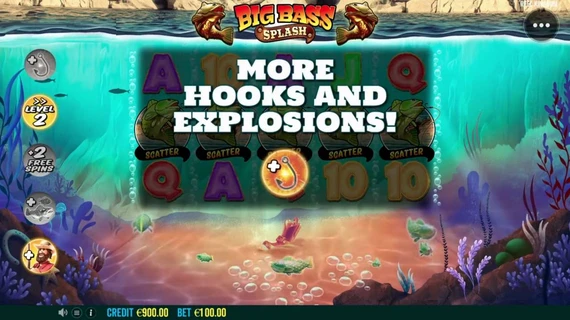
The sound and sight of the “splash” when scatter symbols land is a big point for superstition. Some players think the depth or exact sound of the splash can indicate how strong the coming free spins will be. It’s just a standard sequence, logically. But the excitement it creates is tangible. We’ve read forum threads where players talk about “listening for the deeper splash.” They assign these sound effects almost legendary qualities. It shows how sensory feedback is imbued with meaning. A standard game event transforms into a personal omen of things to come. The splash is a classic “reward cue.” The community has created a whole vocabulary for anticipating things based on its minor differences.
Looking closer, players often state they can distinguish a “small fish splash” from a “big bass splash.” The game probably only has a handful of sound files. This idea gets more intense during the free spins round itself. Every fish hooked comes with its own splash. Players say they can “feel” when a big multiplier fish is ready to hit based on the sound just before it. This heightened attention to game feedback is sheer pattern-seeking. The human brain is skilled at it, even when no true pattern is present. It makes the experience more engaging and tense. Every audio cue gets analyzed for hidden meaning. It changes a mathematically random feature into a narrative of anticipation and guessing. That enhances the fishing theme.
